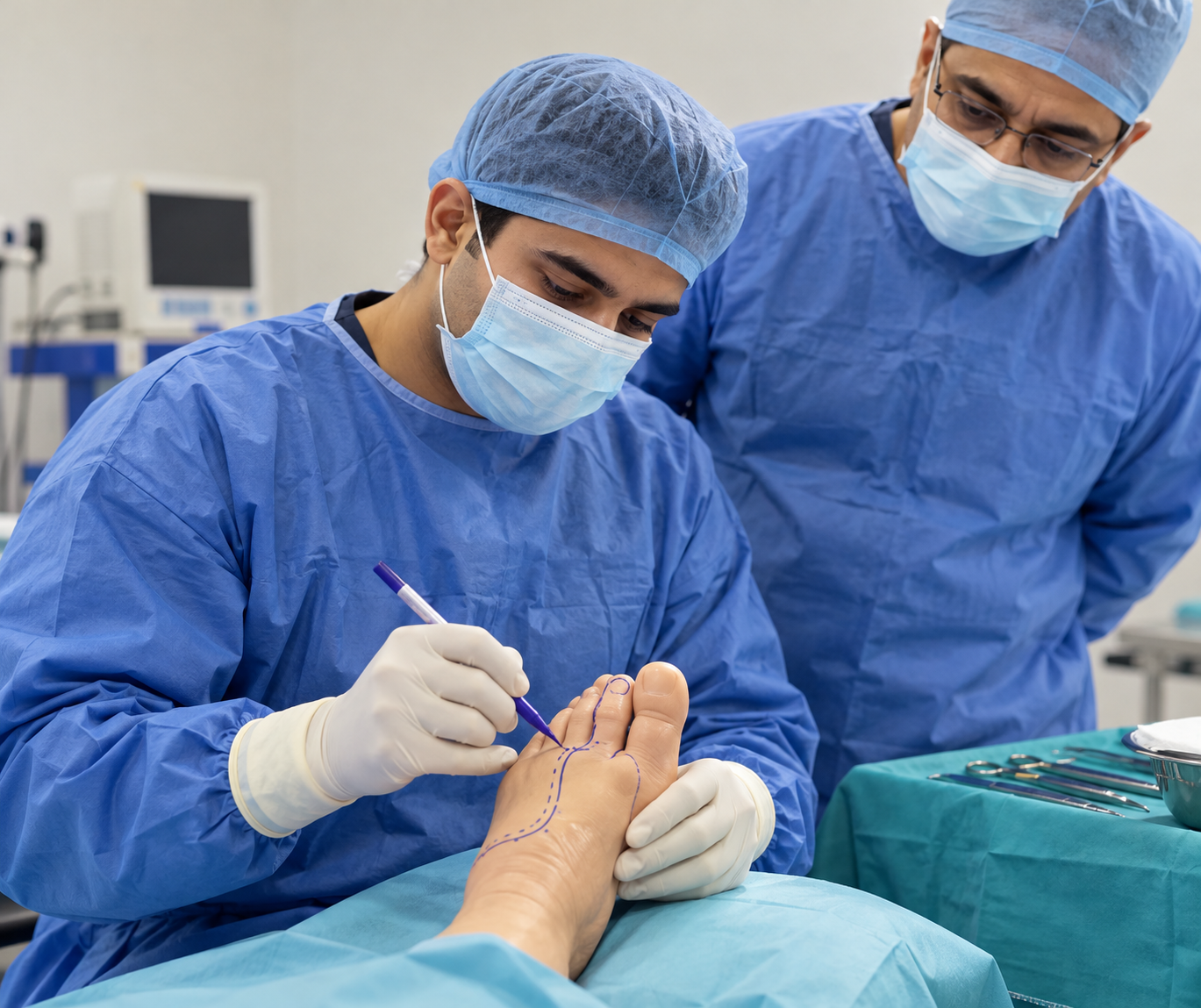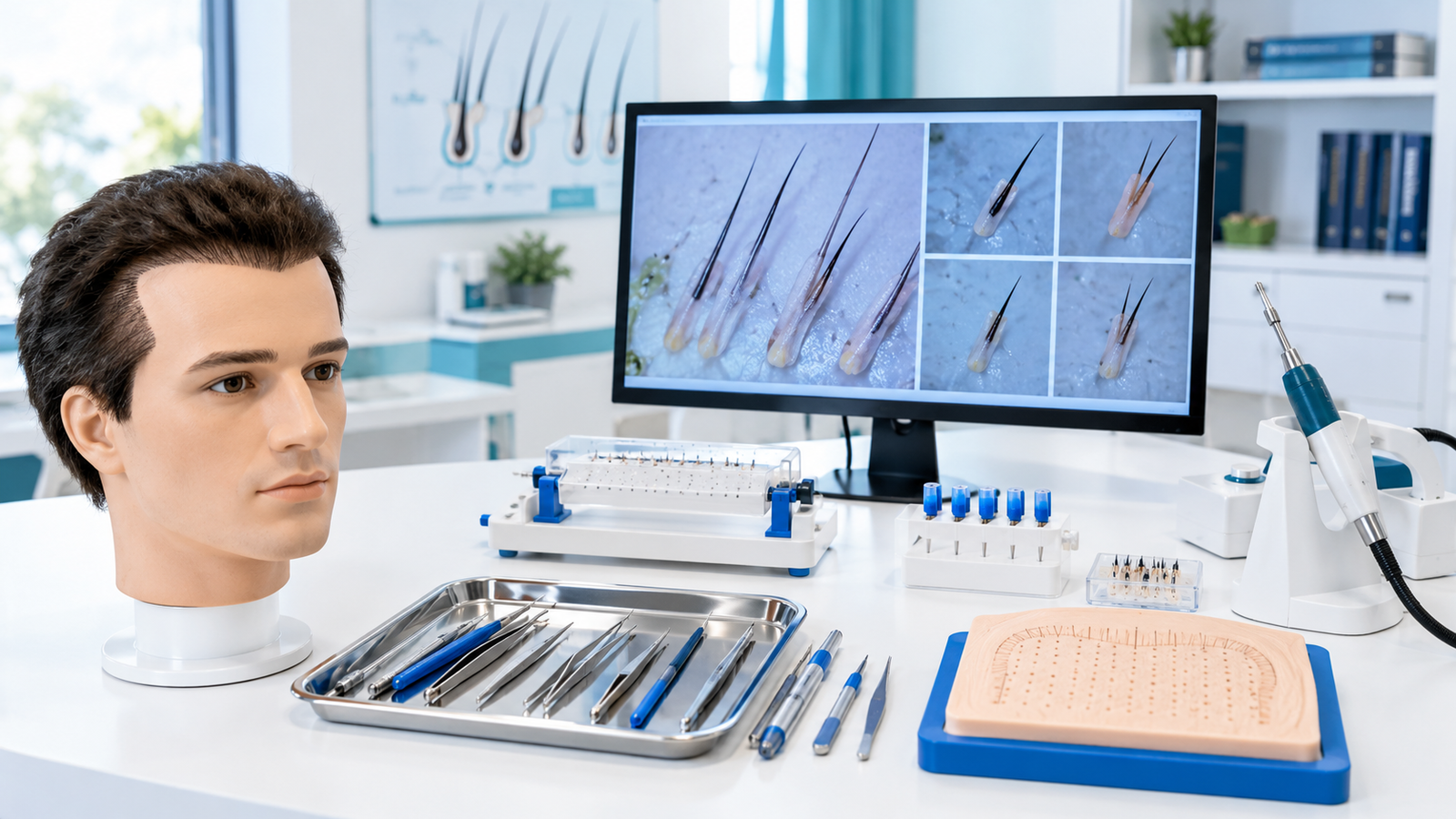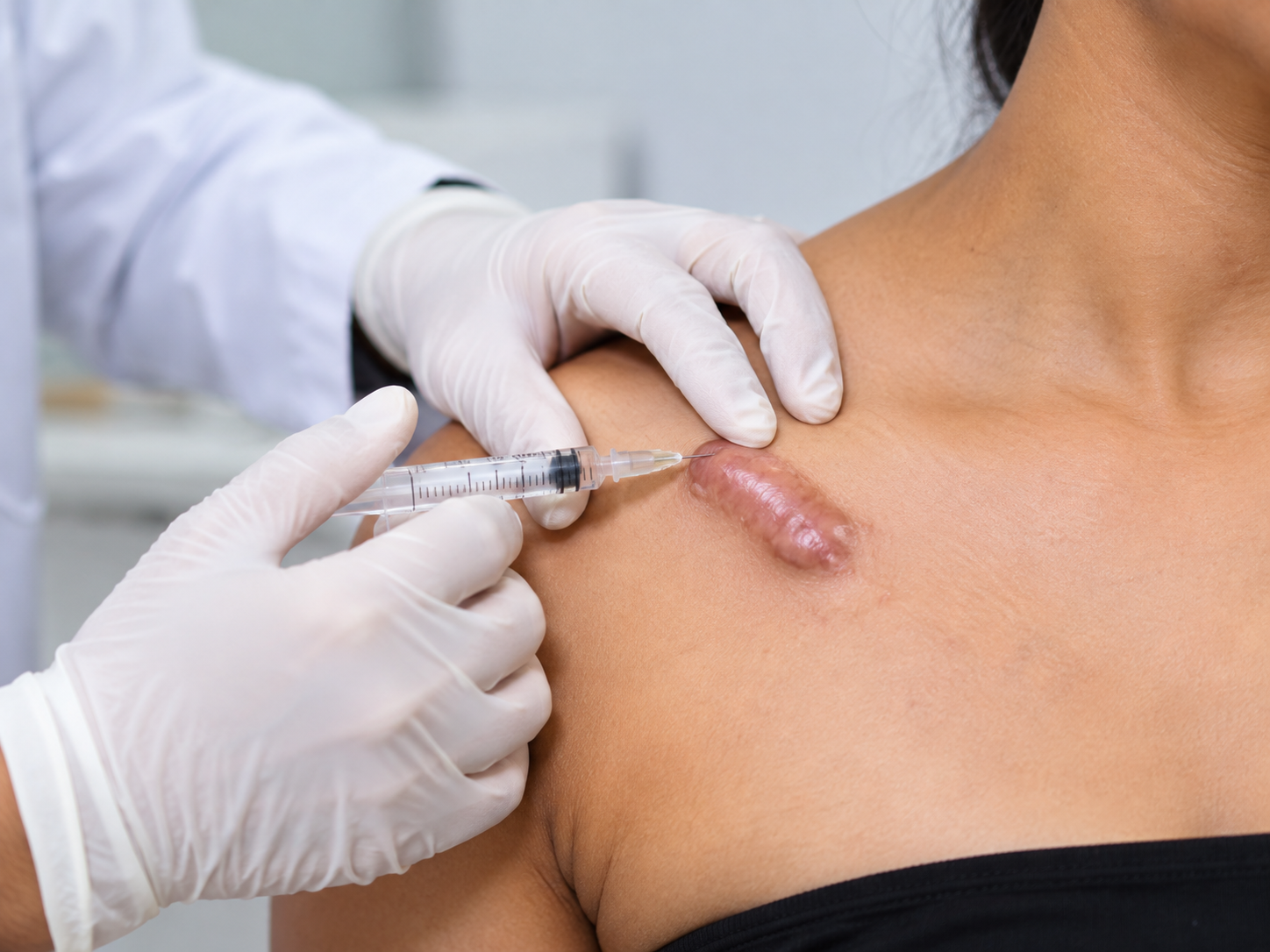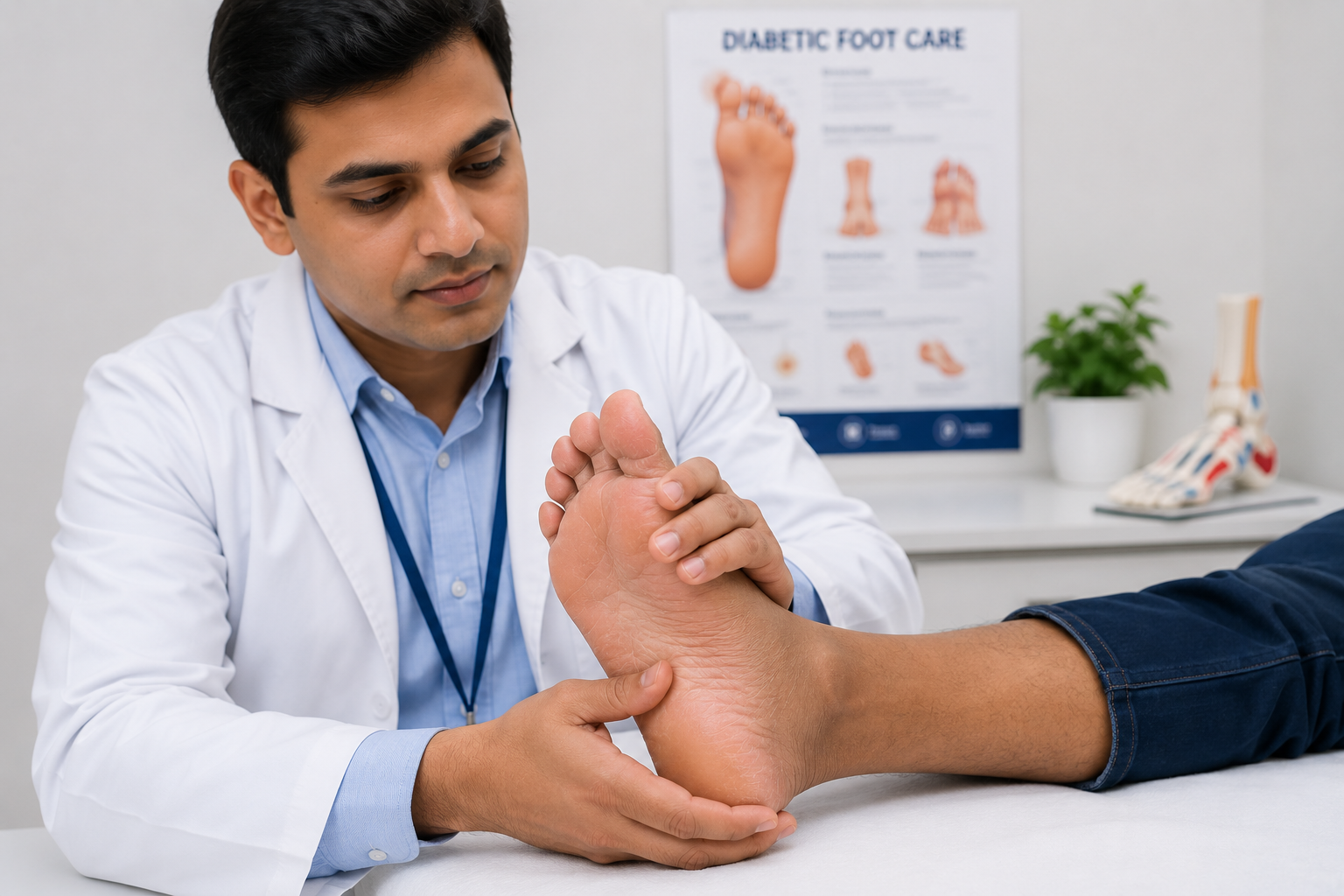
A diabetic foot problem can become serious quickly. Infection, poor blood flow, nerve damage, pressure wounds, and delayed healing can put the foot at risk. In some cases, amputation becomes necessary. However, doctors trained in diabetic foot care can learn how to identify which feet may be saved and how to manage them appropriately. For surgeons who regularly see complex diabetic foot cases, Diabetic Foot Surgery Training India can provide structured education in assessment, wound care, infection control, offloading, surgical treatment, and multidisciplinary decision-making.
In selected cases, timely and appropriate treatment may help save a diabetic foot and avoid or limit amputation. The decision depends on factors such as infection severity, blood supply, tissue damage, wound depth, bone involvement, and the patient’s overall health.
This is why diabetic foot surgery training involves much more than learning an operation. Surgeons need to learn when to operate, when to drain an infection urgently, when to involve a vascular team, and when amputation is medically necessary.
Diabetic foot problems are rarely just skin wounds.
A patient may have reduced sensation, poor circulation, infection, pressure-related tissue damage, bone infection, or a combination of these problems.
The Elegance Vidhyalay fellowship therefore trains doctors in vascular and neurological assessment, Doppler interpretation, wound classification, risk grading, infection management, wound care, offloading, and surgery.
This broader approach helps surgeons make treatment decisions based on the whole condition of the foot rather than the appearance of the wound alone.
Before deciding on treatment, doctors need to understand why the wound is not healing and how much of the foot remains healthy and viable.
Training in diabetic foot care includes learning vascular and neurological examination, Doppler interpretation, wound classification, and risk assessment. Doctors also need to recognize infections that require urgent drainage and understand the principles of managing osteomyelitis, an infection involving bone.
These findings help the medical team determine whether foot-preserving treatment is possible or whether an amputation is required for patient safety.
Infection can rapidly increase the risk of tissue loss in a diabetic foot.
Surgeons need to recognize which infections require urgent intervention. Training may include drainage procedures, debridement, antibiotic principles, osteomyelitis management, dressing selection, negative pressure therapy, and skin grafting.
Early recognition and appropriate management are important because waiting too long in a severe infection can allow further tissue damage.
A wound needs adequate circulation to heal.
For this reason, surgeons treating diabetic foot problems need to evaluate the vascular status of the limb. They also need to recognize when a patient requires assessment or treatment from a vascular specialist.
The fellowship specifically emphasizes the clinical judgment involved in knowing when to involve the vascular team before operating.
Saving a foot is therefore often a multidisciplinary effort, rather than the work of one surgeon alone.
Treating a diabetic foot wound does not end when the wound closes.
Repeated pressure on the same area can interfere with healing or contribute to another wound. Offloading simply means reducing harmful pressure on the affected part of the foot.
The fellowship covers total contact casting, footwear, and biomechanics to help doctors understand how pressure management can support healing and help keep healed wounds stable.
According to the Elegance Vidhyalay fellowship curriculum, surgical training includes drainage procedures, minor and major amputation planning, deformity correction, and reconstruction.
Importantly, training to save a diabetic foot does not mean avoiding every amputation.
Sometimes amputation is medically necessary. The aim is to develop the judgment required to understand what can safely be preserved and when removing unhealthy tissue is necessary to protect the patient.
Reading textbooks and attending lectures can explain diabetic foot management, but clinical decision-making develops through real cases.
Elegance Vidhyalay describes its Fellowship in Diabetic Foot Surgery as a six-month, full-time, hands-on and supervised program. Fellows participate with the team in clinics, dressing rounds, and theatre and can follow patients from their initial presentation through healing.
That continuity helps doctors understand how treatment decisions affect the patient’s progress over time.
The fellowship is intended for qualified medical professionals. The institute lists general surgeons, orthopaedic surgeons, plastic surgeons, physicians, diabetologists, and podiatric practitioners with a surgical scope of practice among potential applicants. Applications are reviewed individually.
It can also be relevant for doctors planning to establish a dedicated diabetic foot or wound service at their hospital.
For doctors searching for Diabetic Foot Surgery Training India, Elegance Vidhyalay offers structured learning focused on diabetic foot care, wound management, infection control, surgical treatment, and strategies to help prevent avoidable amputations.
The training is guided by Dr. Ashutosh Shah, Plastic, Cosmetic & Reconstructive Surgeon with more than 22 years of surgical experience. His clinical and surgical experience helps doctors understand not only operative techniques but also patient assessment, treatment planning, wound management, complication management, and decision-making in complex diabetic foot cases.
Learning how to save a diabetic foot from amputation requires more than learning surgical techniques. Surgeons need to understand circulation, infection, wound care, pressure management, reconstruction, and most importantly, clinical decision-making.
Structured Diabetic Foot Surgery Training India with supervised exposure to real cases can help doctors develop these skills while also learning when amputation remains the safest treatment.
Doctors interested in developing practical experience can review the current eligibility, fellowship structure, application process, and training details directly through Elegance Vidhyalay.
No. The possibility depends on infection, circulation, tissue damage, wound severity, bone involvement, and other clinical factors. Some patients still require amputation for safe treatment.
Elegance Vidhyalay currently lists the fellowship as a six-month full-time program.
Yes. The institute describes it as hands-on and supervised, with participation in clinics, dressing rounds, and theatre.
Yes. The curriculum includes debridement, dressing selection, negative pressure therapy, skin grafting, infection management, and offloading.
Yes. The curriculum includes both foot-preserving approaches and minor and major amputation planning. The goal is appropriate clinical decision-making rather than avoiding amputation in every case.